
Sensory Processing & Regulation in Kids- What it is and How to Help?
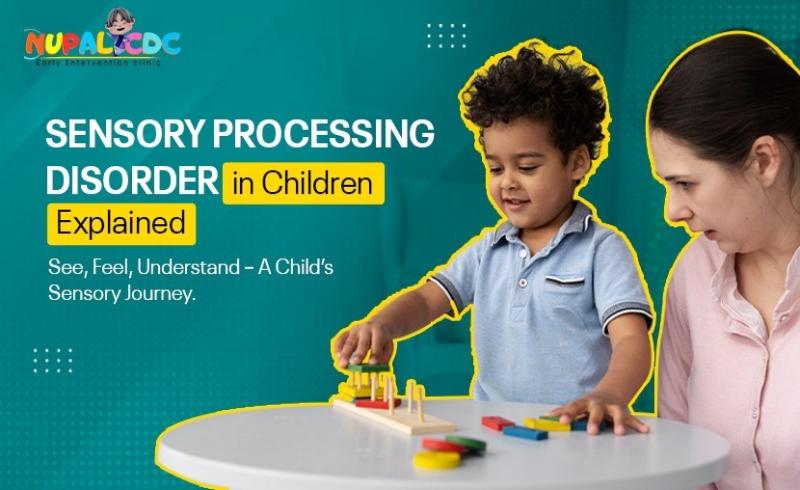
Sensory Processing & Regulation in Kids
24 Apr, 2026
As parents, it is vital to be present to observe every action your child takes. Furthermore, if your child ever closes their ears and eyes in an open space due to excessive sound or emotional drain over small things, such as doesn’t like the clothes they are wearing or doesn’t like the glass they are drinking their milk in, these are some vital signs of sensory processing & regulation in kids. For some kids, these signs are so strong that they suffer in their daily lives, whether at a public restroom, at school, on an outing, or at mealtime.
However, parents of the kids with these disorders often recall it as SPD or Sensory Processing Disorder. In this comprehensive guide, we will discuss exactly what sensory processing & regulation are, as well as simple things parents can do to help their kids feel more comfortable, regulated, and calm in social and other environments.
What are Sensory Processing & Regulation in Kids?
Sensory processing and regulation disorders occur when a child’s brain has trouble receiving, responding to, and organizing sensory information, such as sound, body awareness, sight, movement, touch, taste, and smell. Additionally, sensory processing & regulation in kids can lead to extreme reactions, resulting in breakdowns or avoidance behavior when input is overwhelming (hypersensitivity). Likewise, these disorders in kids are often managed by professionals by providing occupational therapy in Delhi. However, some kids are hyposensitive, seeking intense sensory input by crashing, bouncing, playing, or always touching things. They may struggle to manage emotions and behavior, leading to challenges with everyday routines, social interactions, and learning.
What are the Vital Signs of Sensory Processing & Regulation Disorder in Kids?
Here are some imperative signs of sensory processing & regulation in kids that every parent should know to help their children:
- Feel anxious about tags, seams, or particular types of fabrics.
- Blocking out sounds from everyday activities (vacuum, toilets) or reacting negatively to light.
- Difficulty eating due to a gag reflex or wanting only a small selection of foods.
- Dislike for having dirty hands and refusal to use glue, sand, or paint.
- Constantly touching things or people, or bumping into walls and others.
- Feelings of Fear of Movement/Playground Equipment
- A strong desire to jump, twirl, or rock to maintain self-regulation.
- Strong reactions to changes in one’s schedule.
Risk Factors Parents Should Know About Sensory Processing Disorder in Their Kids
In this precise section, we will discuss some potential risk factors that every parent should be aware of regarding the sensory processing & regulation in kids before opting for professional therapy for the same:
1. Premature Birth
2. Low Birth Weight
3. NICU Stays/Medical Trauma
4. Prenatal Exposure to Substances
5. Birth Complications
6. Genetic Predisposition
7. High Maternal Stress
8. Environmental Factors
9. Neurodevelopmental Conditions
10. Lack of Early Sensory Experiences
Strategies to Help Your Child with Sensory Processing & Regulation Disorder
Here are some effective strategies for parents that they can use to help their kids with sensory processing and regulation disorders:
1. Create a Sensory-Friendly Space
A particularly significant thing you can do for your child is to create a special space for them. A calm corner should be created so the child can go there to relax if they feel too stressed or anxious. You can try setting up a "safe space" for your child where they can retreat when all becomes too much. Nonetheless, this place must be soothing and non-overwhelming, without any flashing lights, noise, or strong odors. It's advisable to provide your child with a weighted blanket, a beanbag chair, a soft cushion, or a comfortable pillow. In case your child is sensitive to noise, make sure there are always noise-canceling headphones available in their room.
2. Develop a Specific Sensory Diet
Though it sounds like it's about nutrition, a sensory diet doesn't include food at all. It's a special physical activity plan designed to ensure the child receives sufficient sensory input throughout the day. This diet can be developed with the help of an occupational therapist when treating sensory processing & regulation in kids. The activities included can be energizing or soothing, depending on what your child needs. For instance, the child can start with jumping on a trampoline and finish with slow, back-and-forth swinging. Introducing specific physical exercises into the routine (for instance, 10 minutes of exercise before homework) can greatly contribute to keeping the sensory system balanced.
3. Introduce "Heavy Work"
As the name suggests, heavy work involves activities where the child pushes, pulls, or carries something. They help the muscles and joints receive the necessary pressure and feel more engaged. Fortunately, it's quite easy to arrange these types of activities in a typical routine because almost everything your child does can count towards this purpose. Carrying laundry to the washing machine, pushing grocery carts, climbing up the stairs, playing tug-of-war, and doing wall push-ups are some examples. These exercises will definitely benefit those children who struggle to stay calm and relaxed because they help regulate the brain.
4. Use Visual Schedules and Timers
Most of the children with sensory difficulties experience anxiety when dealing with sensory processing & regulation in kids. Unexpected changes and transitions are especially challenging for them, which is why visual aids can help by providing more structure and predictability. A simple visual schedule with images of each task will help your child know what they need to do next and when the day will end. Similarly, a visual timer can indicate how long each task takes, helping the child mentally prepare for the next transition or a challenging activity.
5. Take Preemptive Action for Dealing with Sound and Oral Sensations
If your child constantly seeks oral sensations, you need to provide them to them safely and comfortably. Chewable jewelry and crunchy snacks, such as pretzels and carrot sticks, will help your child get the necessary stimulation. On the other hand, children who are sensitive to auditory stimuli can wear noise-canceling headphones. However, you could consider introducing calming background sounds, which might be beneficial for concentration while working. Observing what triggers your child and what calms them down will help create an appropriate sensory-friendly environment to prevent overload.
Book Your Appointment Today with Nupal CDC!
Assisting your child in managing their sensory disorders will change everything about how they manage their feelings and behaviors. Nevertheless, we hope this comprehensive blog post has provided you with precise information and effective strategies for helping your child with a sensory disorder. Furthermore, if you are looking for a clinic to get your child the best occupational therapy in Delhi, look no further than Nupal CDC. We have a team of experienced professionals who are here to assist your child with growth and development issues. With highly qualified pediatricians, we ensure that every child feels comfortable and guided with love & care.
So, if you need more information, feel free to contact us. Our professionals in the fields of occupational therapy, physical therapy, and speech-language pathology are equipped to create an individualized plan for your child’s sensory management.
Frequently Asked Questions
Q1. What is a "sensory diet"?
Ans: A sensory diet is an organized set of activities that provides particular kinds of sensory input that a child needs. Activities help kids balance and stabilize their nervous system. For example, activities such as jumping, swinging, and doing "heavy work" may be beneficial for children.
Q2. Are there any typical signs of SPD?
Ans: Here are a few signs that indicate SPD:
- Irritability caused by clothing tags and fabric
- Difficulty dealing with loud noises (e.g., vacuum cleaner or flush toilet)
- Few choices of foods and hypersensitivity to gagging
- Excessive need for touch (objects, people, etc.)
- Tendency to engage in spinning, swinging, and jumping
- Overly sensitive to changes in schedule
Q3. Is it always a sign of SPD?
Ans: No, not all sensory problems mean SPD. Kids may just go through phases, but when these issues start interfering with their everyday functioning, academic performance, and social interactions, a professional evaluation is needed. An early diagnosis leads to better results.
Q4. How can parents assist their child with sensory regulation at home?
Ans: Here are some imperative ways parents help their child with sensory regulation at home:
- Set up a "calm corner" for your child
- Implement routines and visual charts
- Use noise-canceling headphones or play calming music
- Use sensory toys or activities
Find triggers for your child and avoid or minimize them
Leave a comment